
Mid-Summer Canning Recipes | Creative Canning
Pickles, berries, stone fruit, and the first tomatoes off the vine

Late July is when the garden really hits its stride, and everything’s coming in all at once. The cucumbers went from trickling in to a full colander every other morning, the blackberries along the field edge are finally coming ripe, and the first heirlooms are starting to come in as well.
This is the busiest stretch of the whole canning year here in Vermont, and it doesn’t really let up until frost.
The hard part this time of year isn’t the canning itself, it’s planning.
Everything wants attention on the same afternoon, and produce that sat around waiting three days doesn’t make good pickles. What works for me is batching by type instead of by day. I’ll start with cucumbers in one session, berries get another, and anything that can wait a week in the fridge goes on a list that lives on my kitchen counter all summer long.
I’ve pulled together the recipes I actually reach for and that readers commonly request, ideally for putting up what comes ripe between now and Labor Day. Most of what’s here is water bath canning, so if you’re still working up to a pressure canner, there’s plenty to fill shelves with in the meantime.
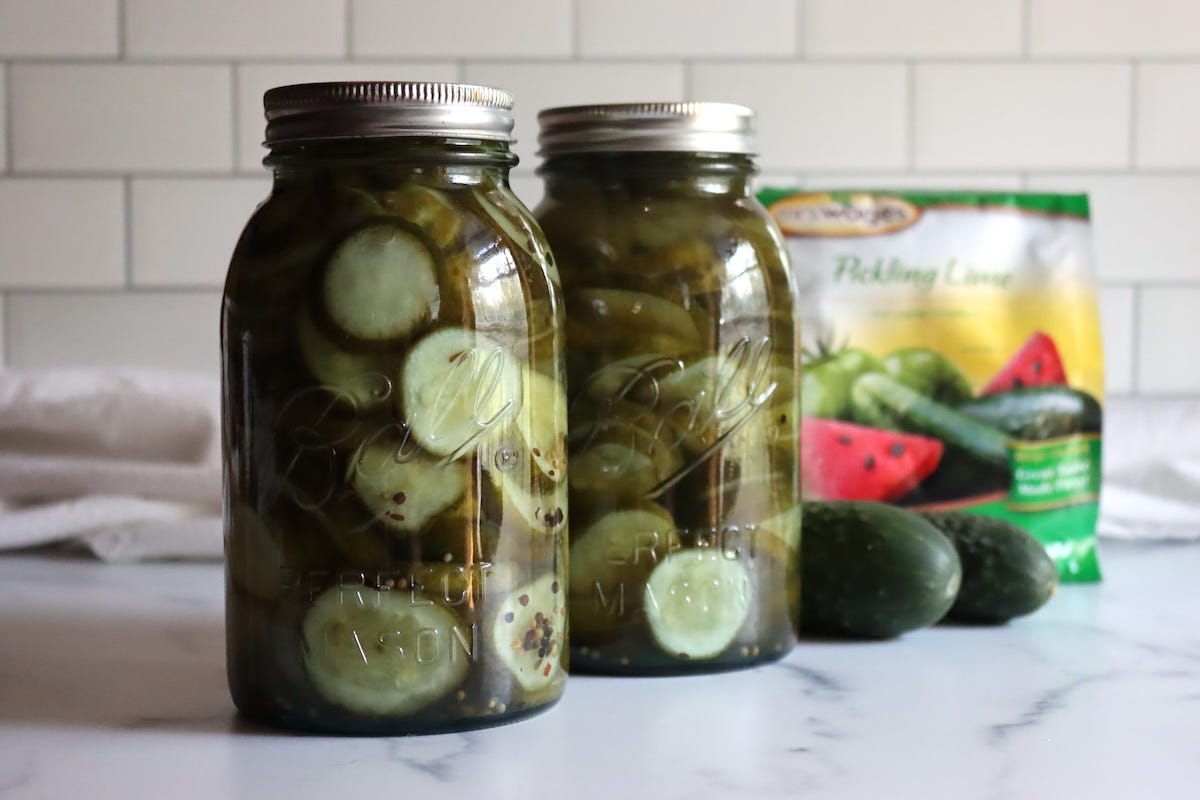
Cucumber Pickles
Pick them small, can them fast, and don’t skip trimming the blossom end. That one step gets you most of the way to crisp pickles.
(The blossom end, within 1/16th of an inch of where the flower was, contains an enzyme that softens pickles. Trim it, and you’ll have much crisper cukes in the jar.)
If you’re looking for a place to start, I have my full list of 30+ Cucumber Pickle Recipes, including all the classics plus a few creative ones.
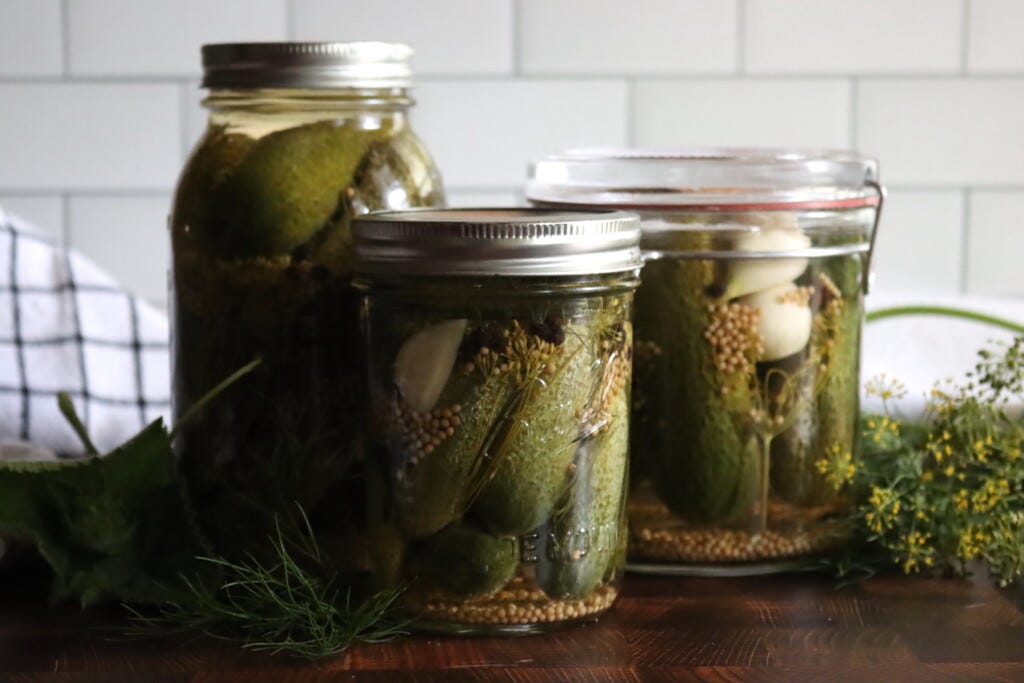
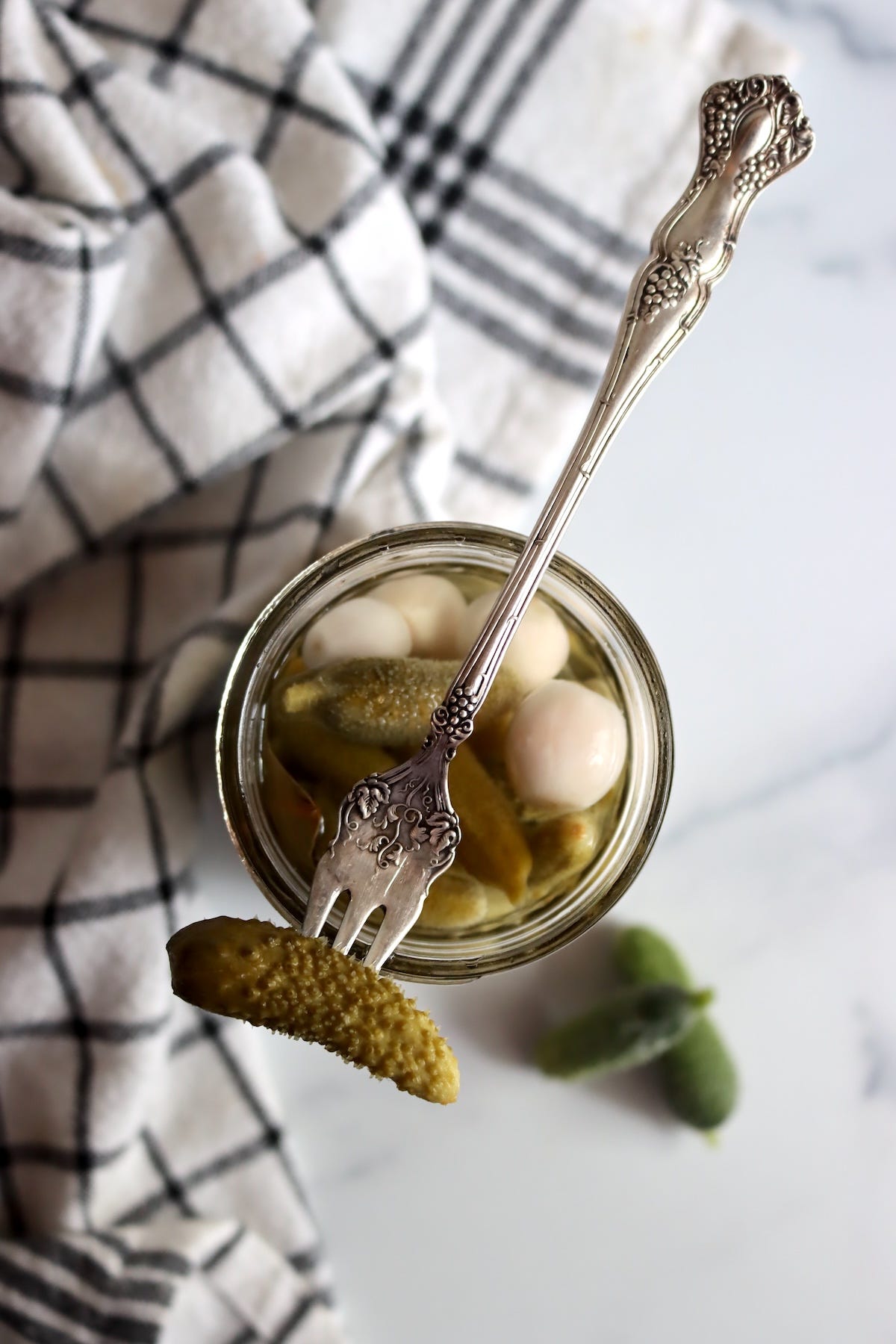
If your pickles have come out soft in past years, calcium chloride (Pickle Crisp) is the easiest fix, and it’s approved for home canning.
Relishes
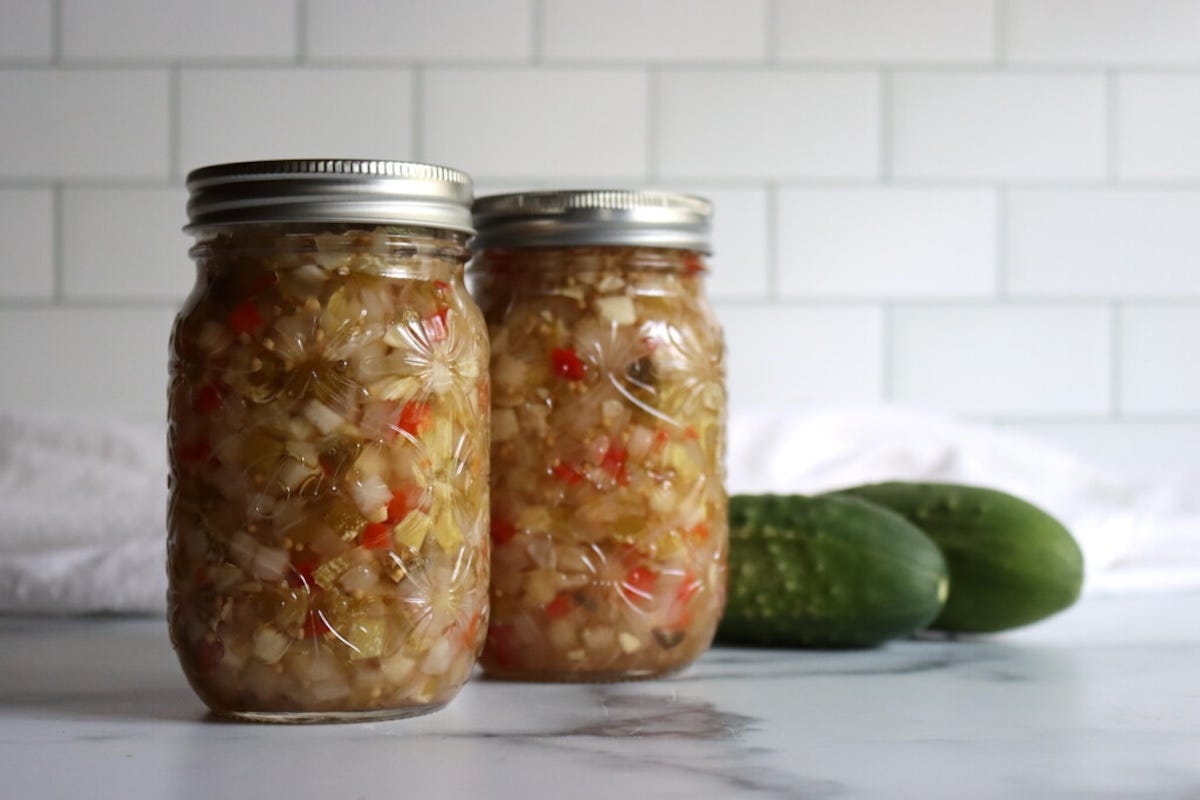
Relish is where the misshapen, overgrown, and slightly-too-big produce goes. Nothing gets graded on looks once it hits the food processor.
If you’re looking for a place to start, I have my full list of more than 24+ Relish Recipes for Canning with old favorites and creative ones like fruit relishes.
Berries
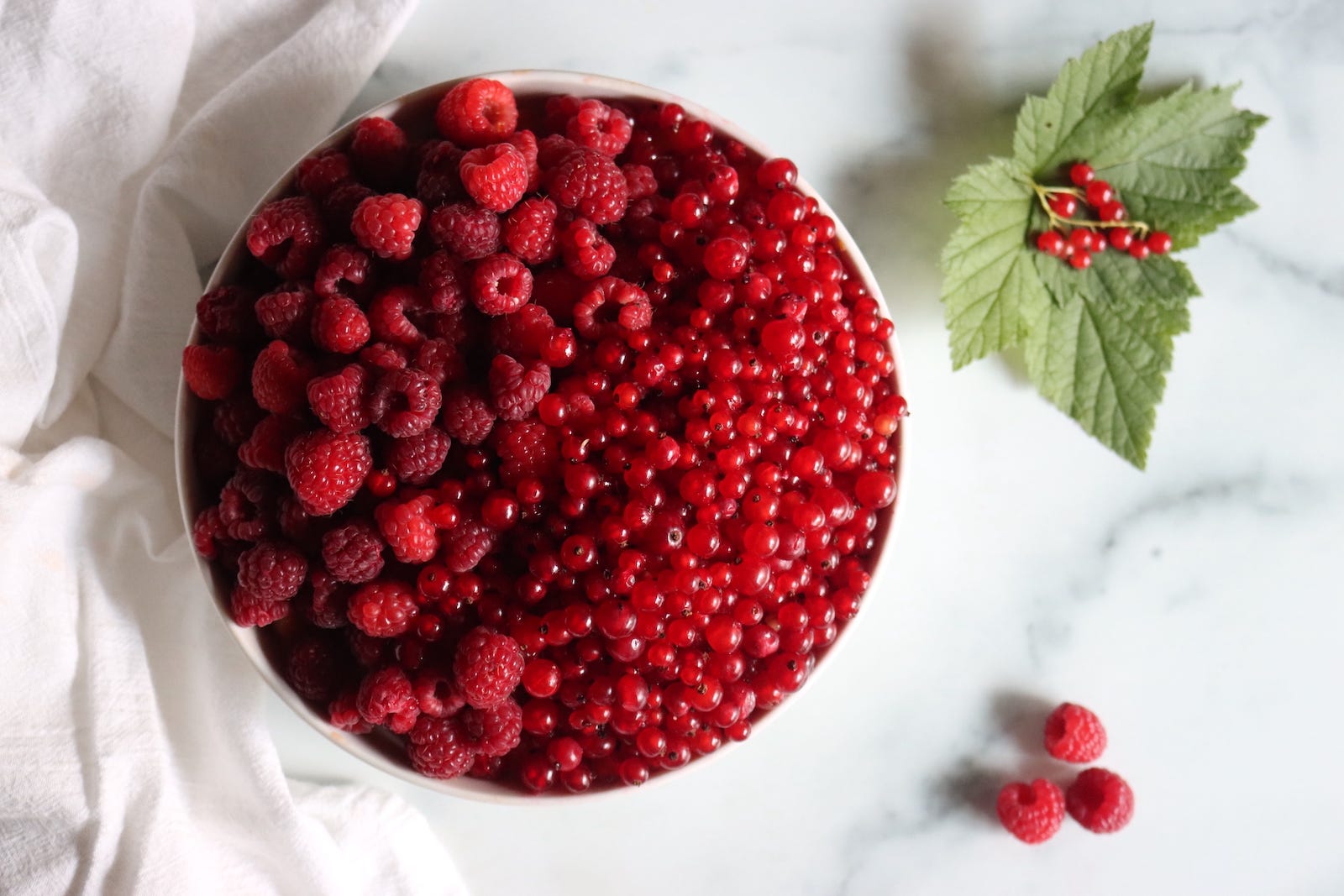
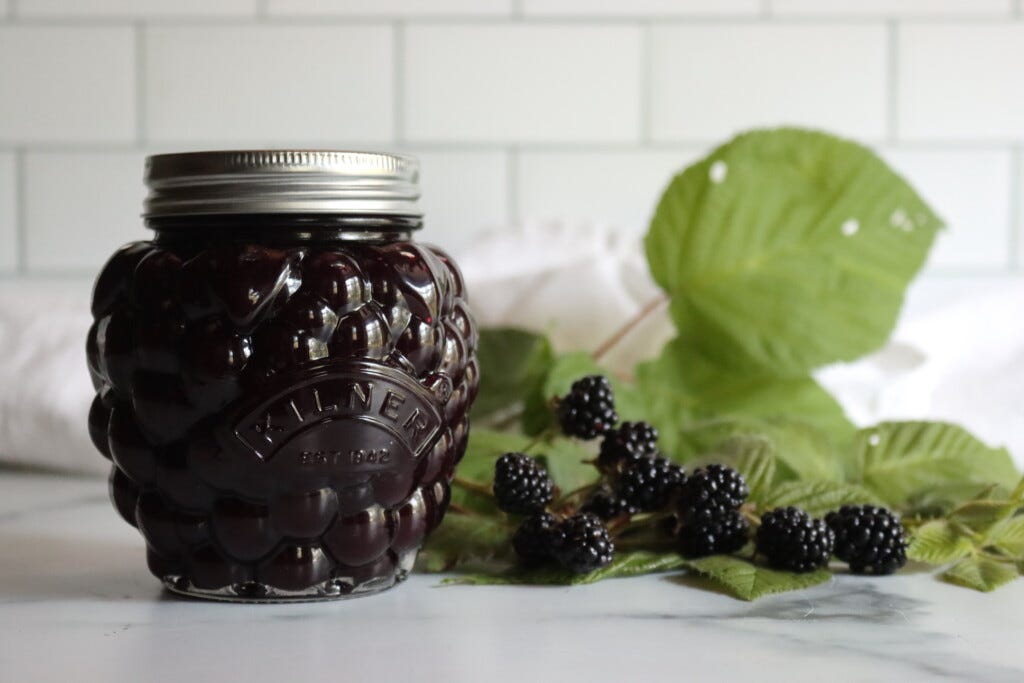
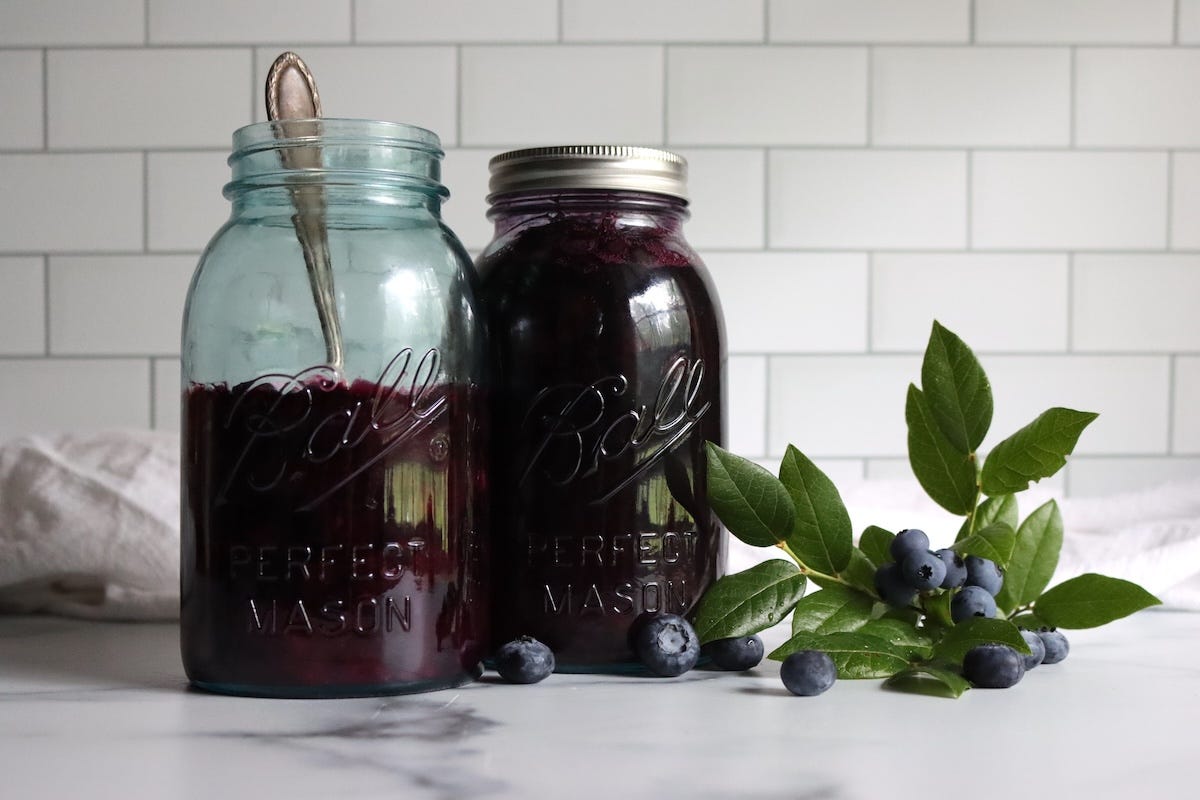
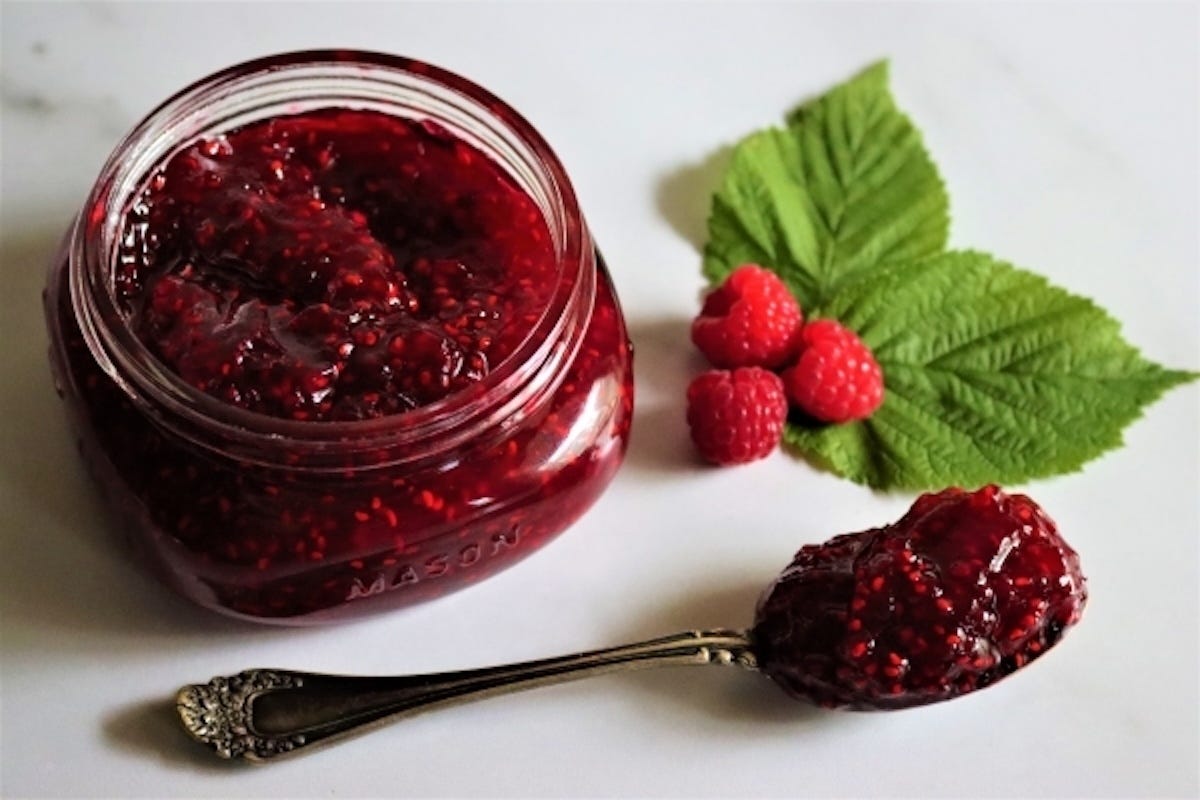
Blackberries and blueberries are at their peak across most of the country right now, and late raspberries are still coming in up here.
If you want the full lists, here’s where you can find:
But these are some of my favorites from each:
Stone Fruit
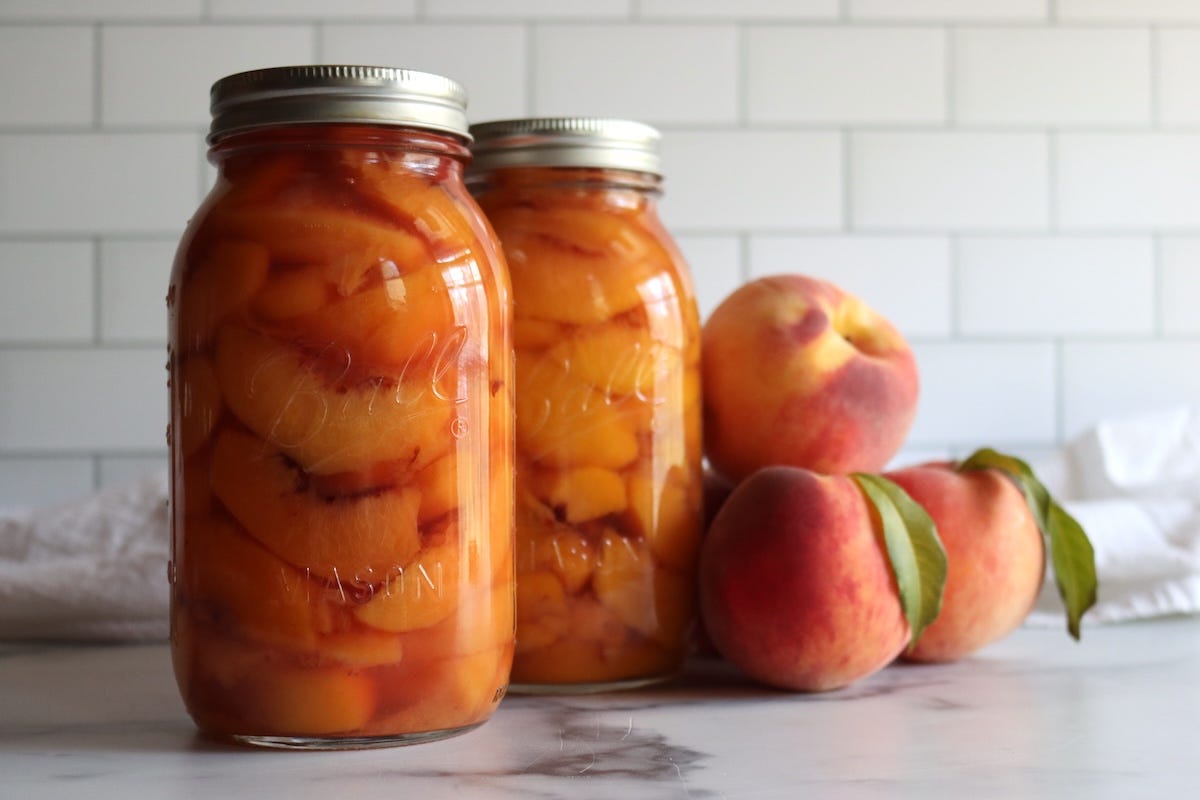
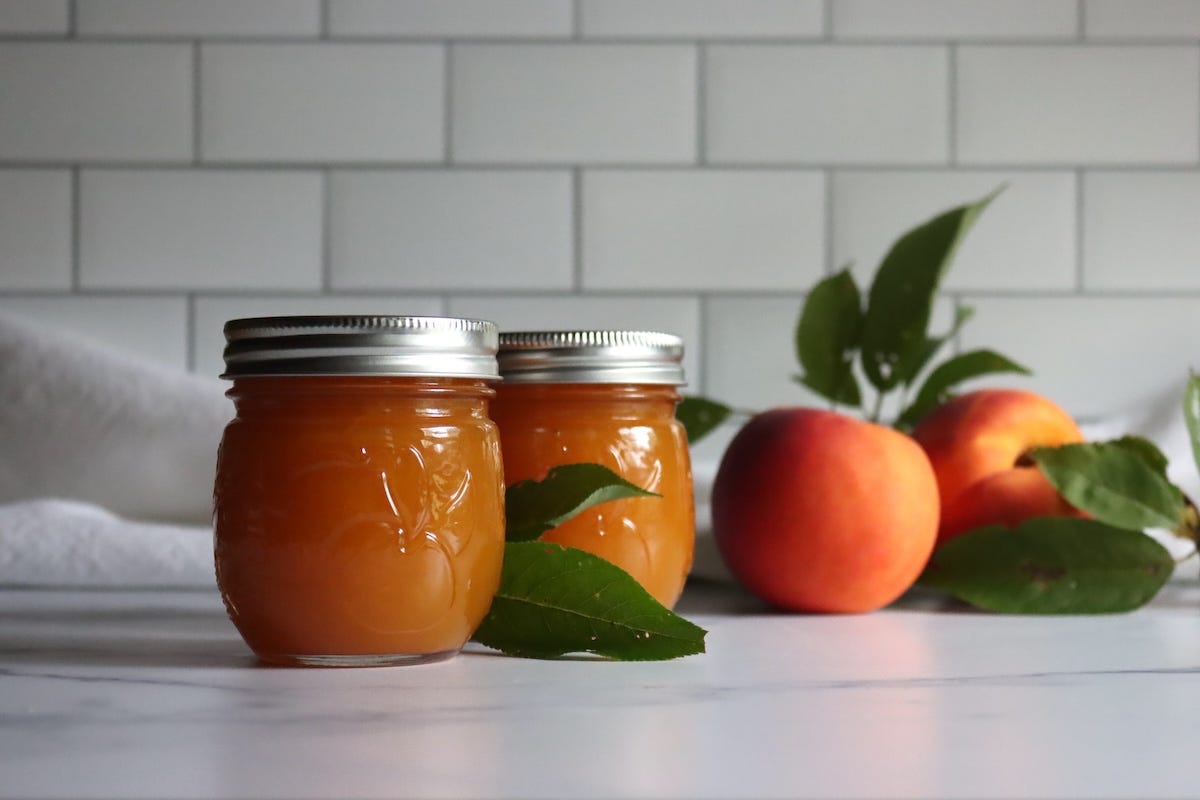
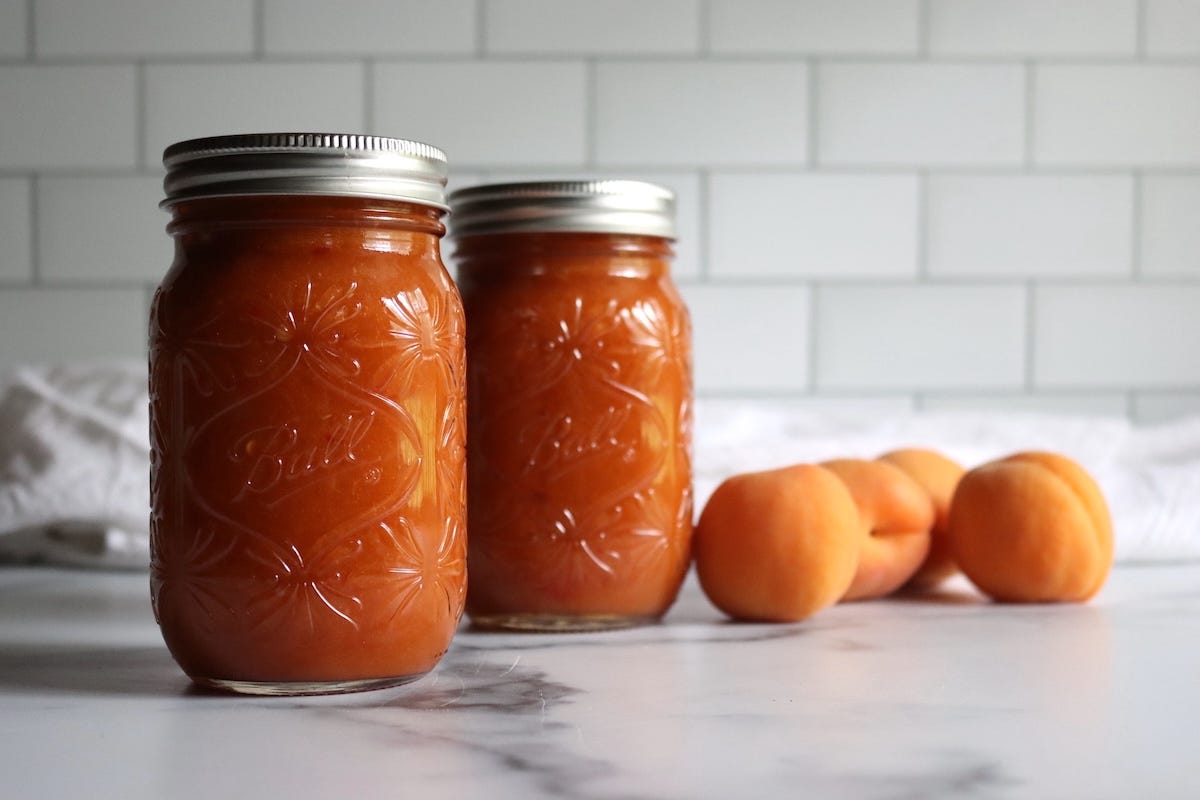
Peaches, apricots, plums, and nectarines are all in or near their window depending on where you are. If you’re buying by the case, buy them slightly underripe and let them finish on the counter.
The full list of each can be found here:
But here are some of my favorites:
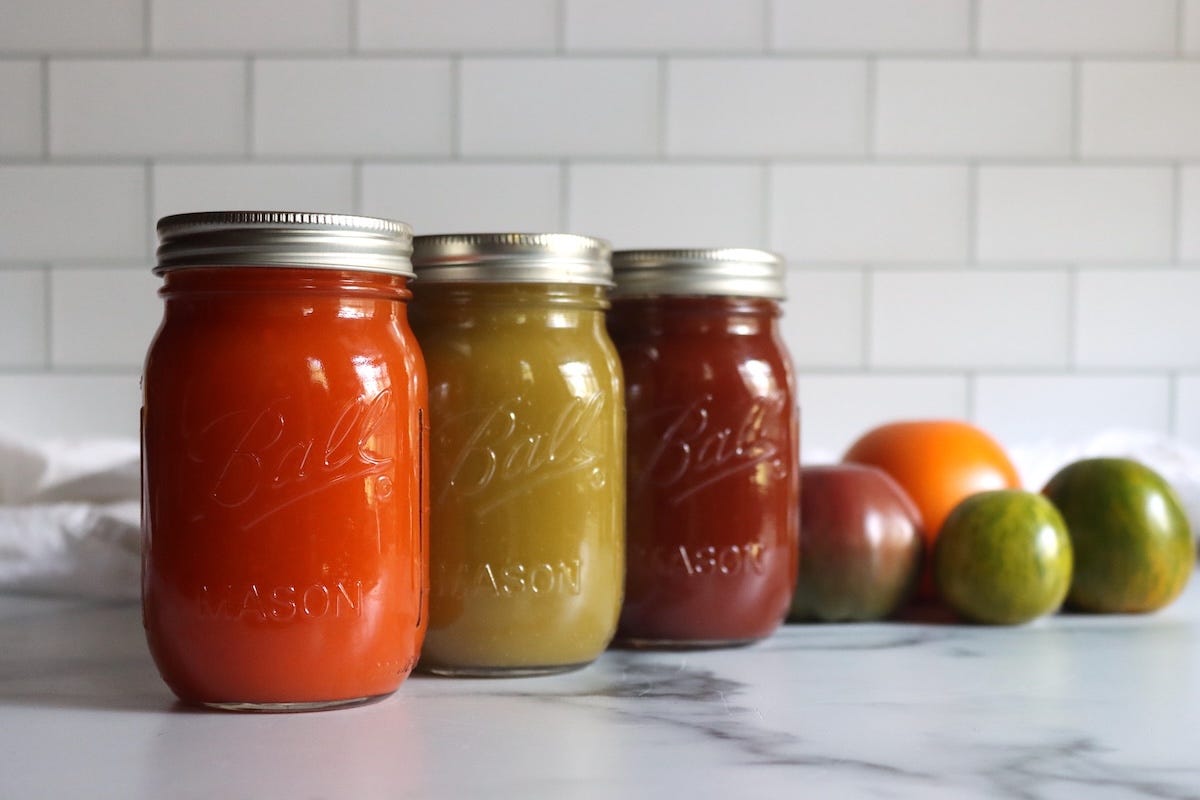
The First Tomatoes
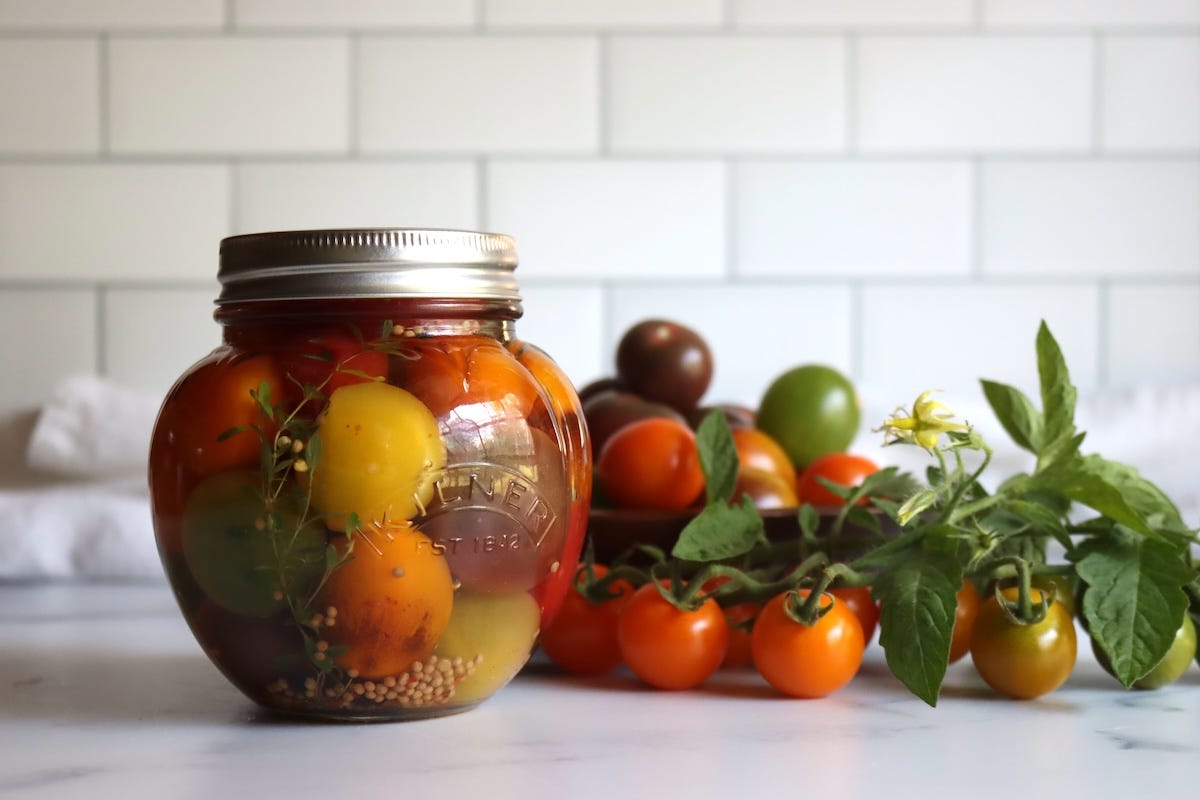
Cherry tomatoes always beat the slicers by a few weeks, so that’s where I start.
You can find the full lists here:
But these are some of the most dependable recipes:
One thing worth reading before you start: Acidifying Tomatoes for Home Canning. Modern tomato varieties sit right at the edge of the safe pH range, and added acid isn’t optional.
Salsa
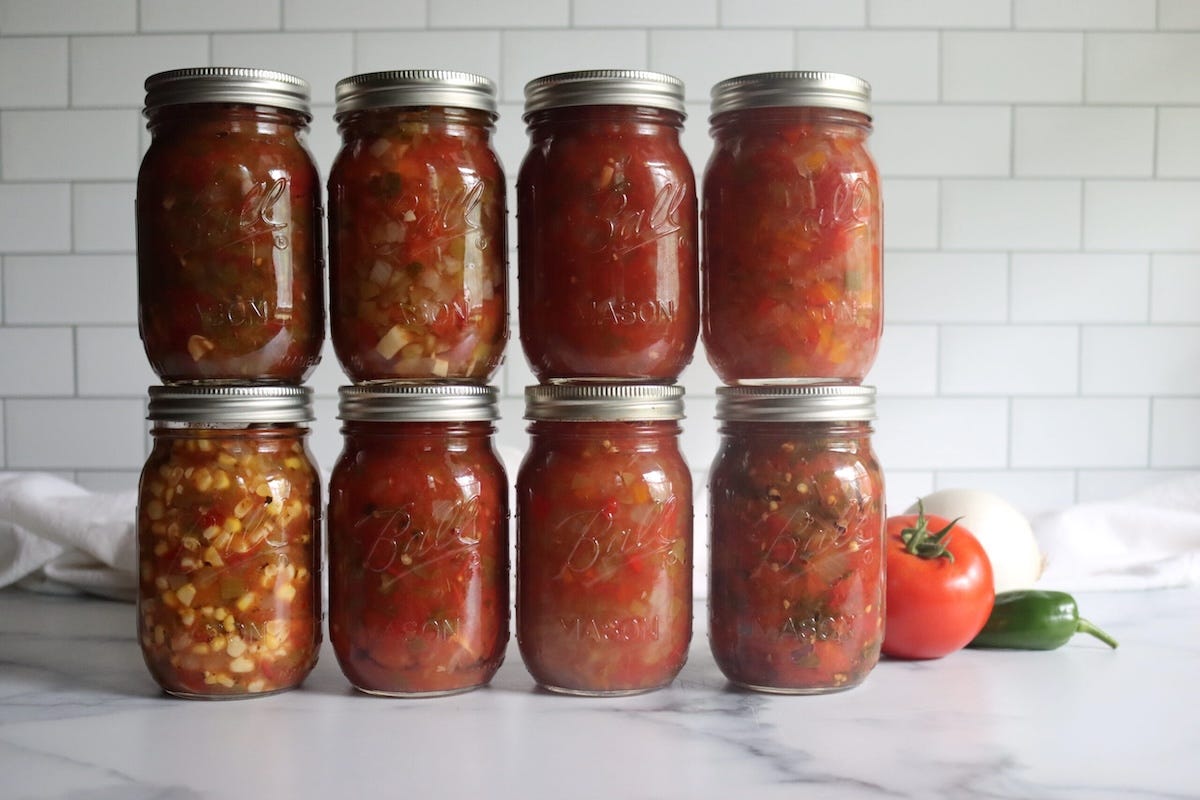
I have a list of more than 60+ Salsa Canning Recipes, all safe and tested, but the ones below are a great place to start.
Salsa is one place where following a tested recipe really matters. The ratio of tomatoes to peppers and onions determines whether the whole batch is acidic enough, so this isn’t the recipe to freehand.
Lemonade Concentrates
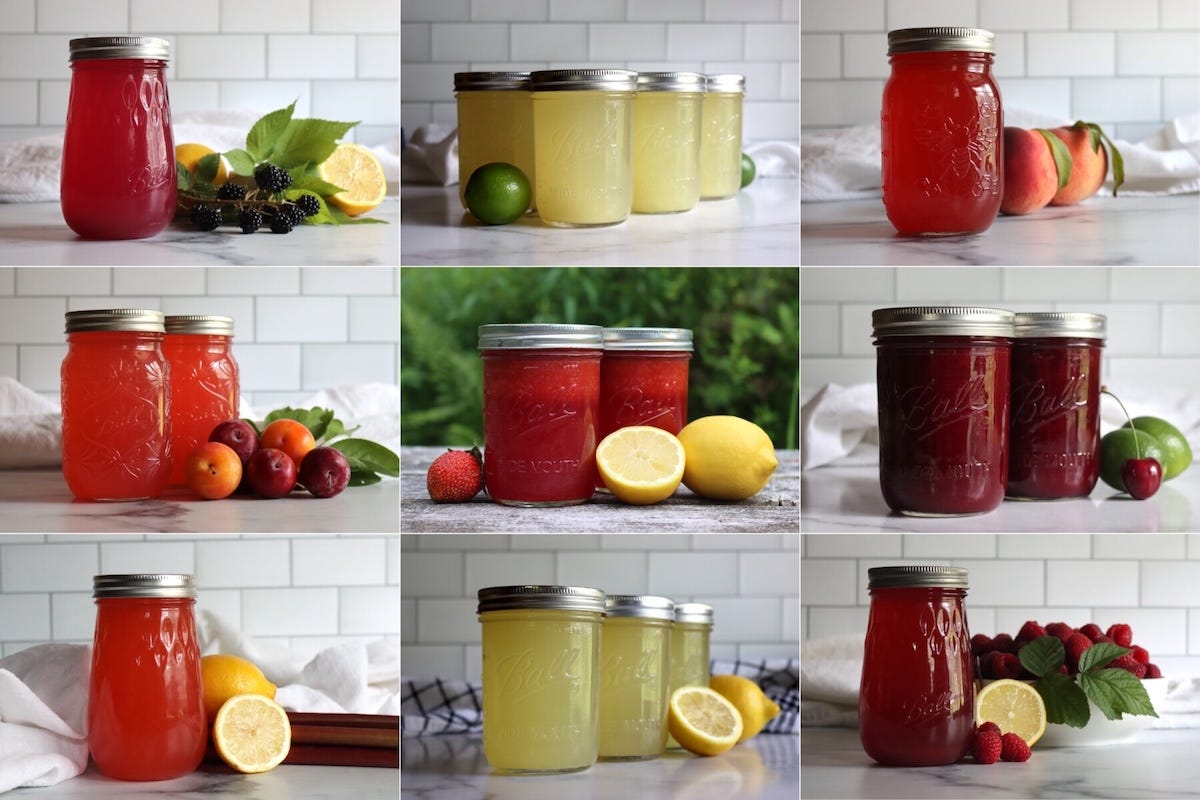
These are the fastest thing in this whole newsletter, and they’re the ones I’m happiest to find in February.
Everything above is safe for water bath canning, which means all you need is a big stockpot with a rack in the bottom. If it’s sweet, fruity, or vinegary, the water bath canner will do.
If you’re behind and feeling it, pick one thing. A single batch of dill pickles or one canner load of peaches will get your canner running, and you’ll be glad in January either way.
What’s coming in fastest at your place right now? If there’s something piling up that you don’t see here, or a recipe you’ve been hunting for and can’t find, let me know, and I’ll do my best to help.
One quick note: replies to this newsletter tend to land in a Substack inbox I rarely see, and sometimes they go straight to spam. If you want to reach me directly, email ashley@creativecanning.com instead. I read every one.
(And since Substack can be fickle about who actually sees these, I’m slowly building my own email list as a backup.) If you’d like to make sure you keep getting these, you can sign up directly at creativecanning.com/subscribe.
Happy Canning!
-Ashley at Creative Canning
O.M.G…deliciousness abounds.
I'm already exhausted for you!
Where are the cherries?🍒